News > EM Germany – The pact for the Euro is concluded, Libya is being monitored and Japan isn´t a topic: EU-De-Briefing on EU Summit

EM Germany – The pact for the Euro is concluded, Libya is being monitored and Japan isn´t a topic: EU-De-Briefing on EU Summit
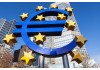
The Heads of Government of the Eurozone decided on 11 March 2011 on a concrete plan for a better EU coordination of economic policies and a new pact for the Euro. The European Council requested Gaddafi to step down but voted against a military intervention in Libya. The situation in Japan did surprisingly not cast a cloud over the EU Summit in Brussels as such while having an effect on the reporting phase during the subsequently following week-end.
Reporters during the EU-De-Briefing were Michael Clauss, Head of European Department at the German Federal Foreign Office and Claudia Dörr, Head of the European Department at the German Federal Ministry for Economy and Technology.
As a controversial topic in the run-up to the European Council the events in Libya and the appropriate reaction of the European Union had an impact on the consultation of the 27 Heads of Government. The proposition of France and England to lead a military intervention in Libya met mitigated reactions and vehement objections.
The European Council agreed on Friday that the European Union has to keep an eye on the situation in Libya and that after a previous agreement of the Arabian League, a UN-mandate would be essential. Also, with the Treaty of Lisbon, the necessity of a common European position on foreign and security policy is established.
The Libyan national, transitional council composed of anti-Gaddafi rebels has been recognized as a partner but not the one and only. Nevertheless, all negotiations with Gaddafi are yet impossible. The importance to help people financially and in showing their engagement for the promotion of a legitimate state and democracy had been reiterated.
During the EU-De Briefing, the decisions on the euro were considered to be positive, although the German Press had already published critical statements with reference to the declaration of Norbert Lammert, President of the German Bundestag or FDP representative Oliver Luksic, member of the EM Germany Board.
The decisions of the informal meeting of Eurozone Heads of Government were welcomed. The pact for the Euro is considered by the German Federal Government as a means to overcome the crisis. Germany could introduce its requests for the implementation in the national law and the obligation of budget regulations of the EU as also for the adaptation of the pension scheme to the demographic trends. The Heads of Government have to show results within 12 months, leaving them with considerable pressure to act.
An intense discussion developed around the situation in Ireland and in Greece as also the progress and the extension of the European Financial Stabilization Mechanism in 2013. With 500 billion Euros, guarantees will be significantly larger. The next ECOFIN Council will provide additional information on how much each Member State will have to contribute.